
"African coffee history"
1000 article(s) found

Introduction to Ethiopian Sidamo Chiso Coffee Flavor Manor with citrus aroma
Ethiopia is rectangular, with a ratio of length to width of 3:2. From top to bottom, it is composed of green, yellow and red parallel equal horizontal rectangles, with the national emblem in the middle of the flag. Since the end of the 19th century, Ethiopia began to use the green, yellow and red cross-striped national flag. In modern history, Ethiopia is the first African country to join the forest of free nations. [8] to this century
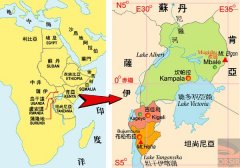
Introduction to the Coffee History of Rwanda and Coffee Flavor of Abakundakawa Cooperative
Rwanda (Rwanda) from Central Africa, neighboring to the north (Uganda), east (Tanzania), south (Burundi), west (Republic of the Congo ~ old say), is a truly standard landlocked country (see figure 1). All products, whether to go up to the sky or to the sea, export or import must be agreed with neighboring countries, or it is a dead end. Take a look at all the neighbors around it.

Boutique Coffee Culture Coffee History of Arab East Africa
[Yemen] the word Mocha has many meanings. After 600 AD, the first coffee bean far from its hometown, Ethiopia, took root in the leaf gate on the other side of the Red Sea, and the coffee industry began all over the world. Since the most important export port of early Yemen coffee was the port of Mocha (now silted up), the coffee produced in Yemen was also called "mocha" beans.

A brief introduction to the history and culture of the origin and development of fine coffee beans in Angola, once a big coffee country.
The Angolan government is currently working on a development plan to revitalize coffee production in order to restore coffee production across the country to the level of the 1970s. Manuel Dias, director of the Angolan Coffee Agency, recently told the local press that the Angolan government's plan mainly includes expanding growing areas, increasing investment, working hard to support coffee farmers and promoting fine varieties. Uige, Bengo

A brief introduction to the history and culture of the origin and development of Angolan boutique coffee beans that are almost impossible to buy.
Angola was once one of the largest coffee producers in the world, with coffee production reaching a record 225000 tons in 1974. However, as a result of the 27-year civil war that broke out after independence in 1975, Angolan coffee production fell sharply, Angola's ambassador to the United States, Agostinho Tavares, told Angolan daily newspaper Jornal de Angola on Monday in New York that the first batch of Angolan coffee exported to the United States (a total of 11 tons) had arrived in the country.
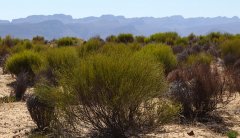
Where does decaf black tea come from? South African Louis Boss tea is not suitable for anyone. What's the harm?
The origin of Louis Bols tea is Rooibos or Redbush or Bols tea, which is a caffeine-free smooth herbal tea from Africa. Although its popularity in the UK has grown rapidly over the past few years, it is still relatively unknown compared with other teas. Louis Persia grows only in a specific part of South Africa. The plant itself grows in the Fynbos ecological region.

Pink Bourbon is not good to drink Pink Bourbon honey processing Introduction Bourbon family Pink Bourbon history
Professional coffee knowledge exchange More coffee bean information, please pay attention to coffee workshop (Weixin Official Accounts cafe_style) Colombia Vera microbatch San Adolfo Pink Bourbon washed Colombia Microlot Huila San Adolfo Pink Bourbon Washed is located in the southwest of Colombia Vera production area, at the junction of the western coastal mountains and the eastern mountains formed by the canyon slope
A brief introduction to the History and Culture of the Origin and Development of Coffee in Ted Manor
The most distinctive flavor found in all Sidamo coffee is lemon and citrus with bright and crisp acidity. This Ethiopian variety is native to Heirloom. As an ancient high-quality coffee variety in Ethiopia, native species can always show a unique style in various Ethiopian origins! Interestingly, compared with the usual Ethiopian coffee beans

A brief introduction to the History and Culture of the Origin and Development of Coffee in the aromatic Coffee producing area of Xida Mochizo, Ethiopia
The coffee in Sidamo has a variety of flavors. Different soil types, microclimates and countless native coffee species, towering mountains, highlands, plateaus, valleys and plains, diverse topography, and the geology of the area belongs to nutrient-rich, well-drained volcanic soil. the depth of the soil is nearly two meters, and the surface soil is dark brown or brown. The biggest advantage of the place is

A brief introduction to the History and Culture of the Origin and Development of Sidamo Fine Coffee beans
Yirgacheffe coffee raw bean is one of the most distinctive coffee in the world, rare and expensive. It is produced in the plateau of Ethiopia's Sidamo province (2000 meters above sea level). It is an outstanding representative of washed coffee in Africa. It has always been famous in the eyes of global coffee connoisseurs. Rare washed high quality Elaraby plus coffee is suitable for all degrees of roasting.
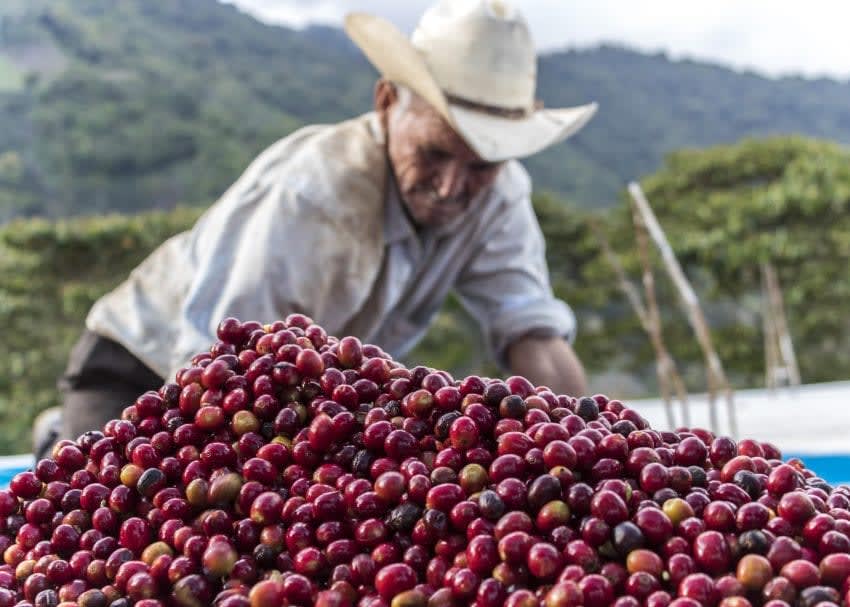
What you don't know about coffee: the black history of slaves behind the coffee industry
Professional coffee knowledge exchange more coffee bean information please follow the coffee workshop (Wechat official account cafe_style) when you get a bag of roasted Brazilian coffee, or order a cup of Colombian handcups, you may be able to get complete information about the producing areas, but have you ever thought about the origin of these coffees in the first place? Who were the workers who first developed these farms and built them into gardens? Let's

The first three African coffee beans-introduction to the famous producing areas of African coffee-reasons for the low price of African coffee beans
Professional coffee knowledge exchange more coffee bean information please follow the coffee workshop (Wechat official account cafe_style) for thousands of miles away in Africa, what will you think of? A hungry child with a big belly? Wild animals running on the prairie? Our imagination of Africa is actually very one-sided and unitary. One Africa, multiple gazes. Famous coffee producing area in Africa: Cotti

What is the Luanda Crop of Gold Golden Bean contest? Introduction to Buf Caf é Coffee Farm in Luanda
For more information on coffee beans, please follow the coffee workshop (Wechat official account cafe_style) Rwanda Coffee, the most popular African coffee after Kenya and Ethiopia. But unlike the two famous countries, it does not have a long history of planting, let alone native varieties everywhere in the wild. This small African country is a fire Phoenix that has been reborn. Because of

Burundi (Burundi) "Heart of Africa" planting history and flavor towards Burundian coffee
Burundi (Burundi) "Heart of Africa" planting history and flavor towards Burundian coffee delicious? Production area: Mulamua province (Muramuya), Rutegama producing area producer: Nialunasi Cooperation (NyarunasiCooperative) varieties: Bourbon altitude: 1400 m to 1700 m soil: volcanic rock soil grade: AA grade treatment method: washing harvest time

What is the flavor of Rwandan coffee beans? How do you drink coffee from Rwanda? Varieties of Rwandan coffee beans
For more information on coffee beans, please follow Coffee Workshop (Wechat official account cafe_style) Rwanda Coffee, the most popular African coffee after Kenya and Ethiopia. But unlike the two famous producing countries, it does not have a long history of planting, let alone native varieties everywhere in the wild. This small African country is a fire Phoenix that has been reborn after robbery.
A brief introduction to the Origin, Development, History and Culture of Coffee beans from Rwanda, which tastes sweet and citrus
Bourbon coffee grown in Rwanda is one of the original varieties of Arabica coffee. In the annual professional evaluation of the top coffee held by the American Fine Coffee Association SCAA in 2008, Rwanda Aromec of Rwanda was the best washed bourbon, which beat the Blue Mountain No.1 of Jamaica and Mantenin G1 of Sumatra and won the 2008 champion C.

Introduction to the flavor and taste characteristics of Ethiopian Sidamasha Chiso coffee with a long aftertaste
Ethiopia is rectangular, with a ratio of length to width of 3:2. From top to bottom, it is composed of green, yellow and red parallel equal horizontal rectangles, with the national emblem in the middle of the flag. Since the end of the 19th century, Ethiopia began to use the green, yellow and red cross-striped national flag. In modern history, Ethiopia is the first African country to join the forest of free nations. [8] to this century

Cultural stories about the History and Development of Brazilian Coffee beans the flavor and taste characteristics of Brazilian Arabica coffee varieties
Following Kaibei (official Wechat account vdailycom) found that Brazilian Coffee is famous for its strong aroma, but it has something to do with killer bees in Africa, whose stings scare everyone. In Brazil, South America, in 1956, scientists introduced dozens of killer bees from Africa, which were accidentally released from the hive. Like

The characteristics of Yemeni mocha coffee
Mocha coffee (CafeMocha) is one of the oldest coffee, its history can be traced back to the origin of coffee. Mocha gets its name from the famous port of Mocha. In the 15th century, the outward transportation industry of the whole coffee country in Central and East Africa was not prosperous. The Yemeni Mocha was a major commercial port near the Red Sea at that time. At that time, as long as the coffee was concentrated in the port of Mocha and then exported to the African coffee, it was collectively called Mocha.

Full-bodied jasmine flavor and taste characteristics of Ethiopian Yega Ficher Manor Coffee
There are mainly mountain plateaus in Ethiopia, and the central and western regions are the main part of the plateau, accounting for 2% of the whole territory. The East African Rift Valley runs through the whole territory, with an average elevation of nearly 3000 meters, which is known as the roof of Africa. The terrain around the plateau is gradually declining. The Darol depression in the north fell to 113 meters below sea level, the lowest point in the country. A narrow banded plain along the coast of the Red Sea